#1

3 votes

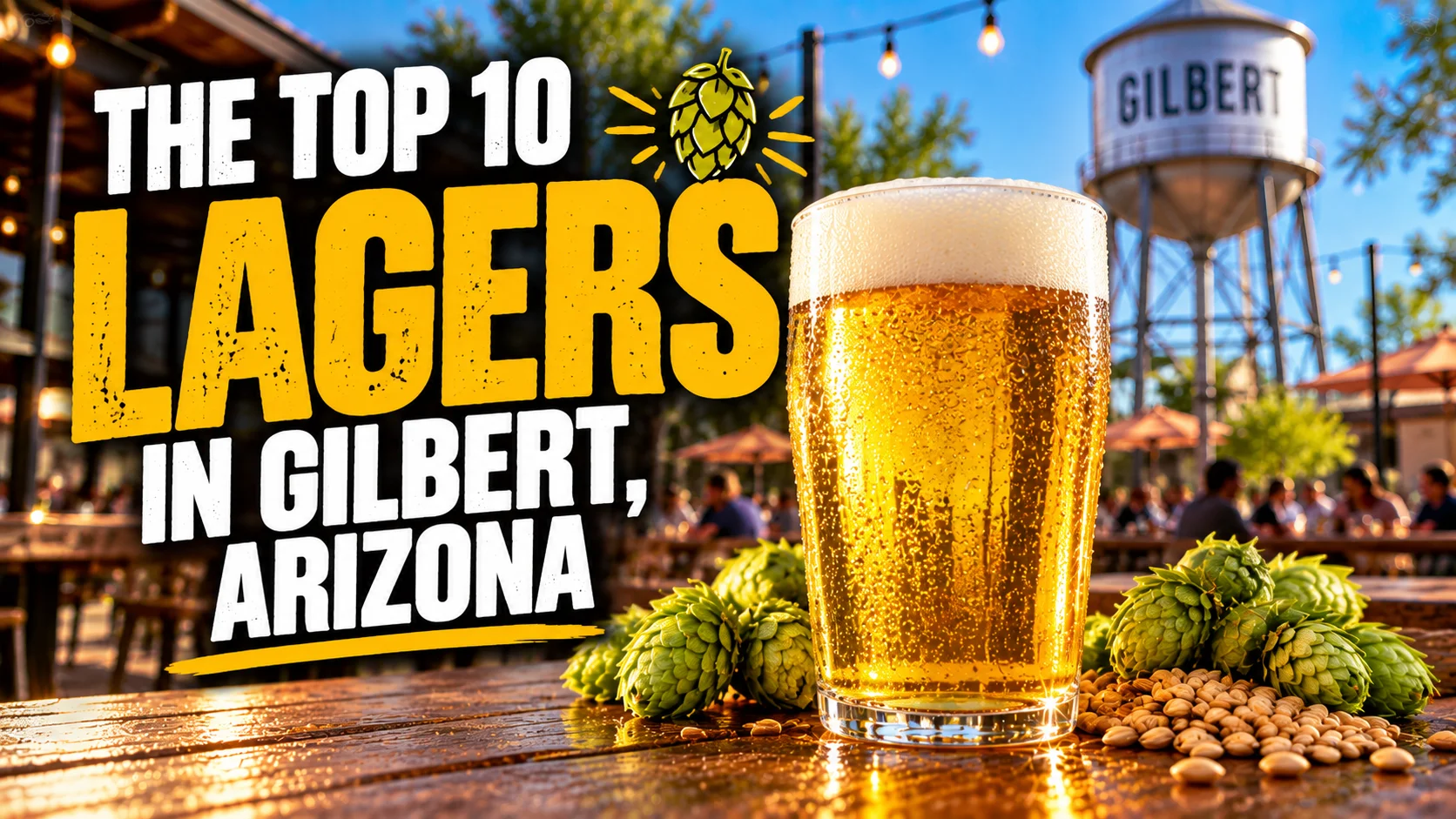

The Top 10 Lagers in Gilbert, Arizona are determined by votes from local beer drinkers on AZ Beer Drinkers. Instead of relying on one person’s opinion or a traditional five-star rating system, the rankings reflect which local lagers receive the most customer votes.
Because people continue to vote, the Top 10 can change. A beer can move higher, another can fall a few positions, and a new lager can enter the rankings as more Gilbert beer drinkers participate.
So, if you’re looking for a lager to try in Gilbert, the live Top 10 below gives you a place to start.
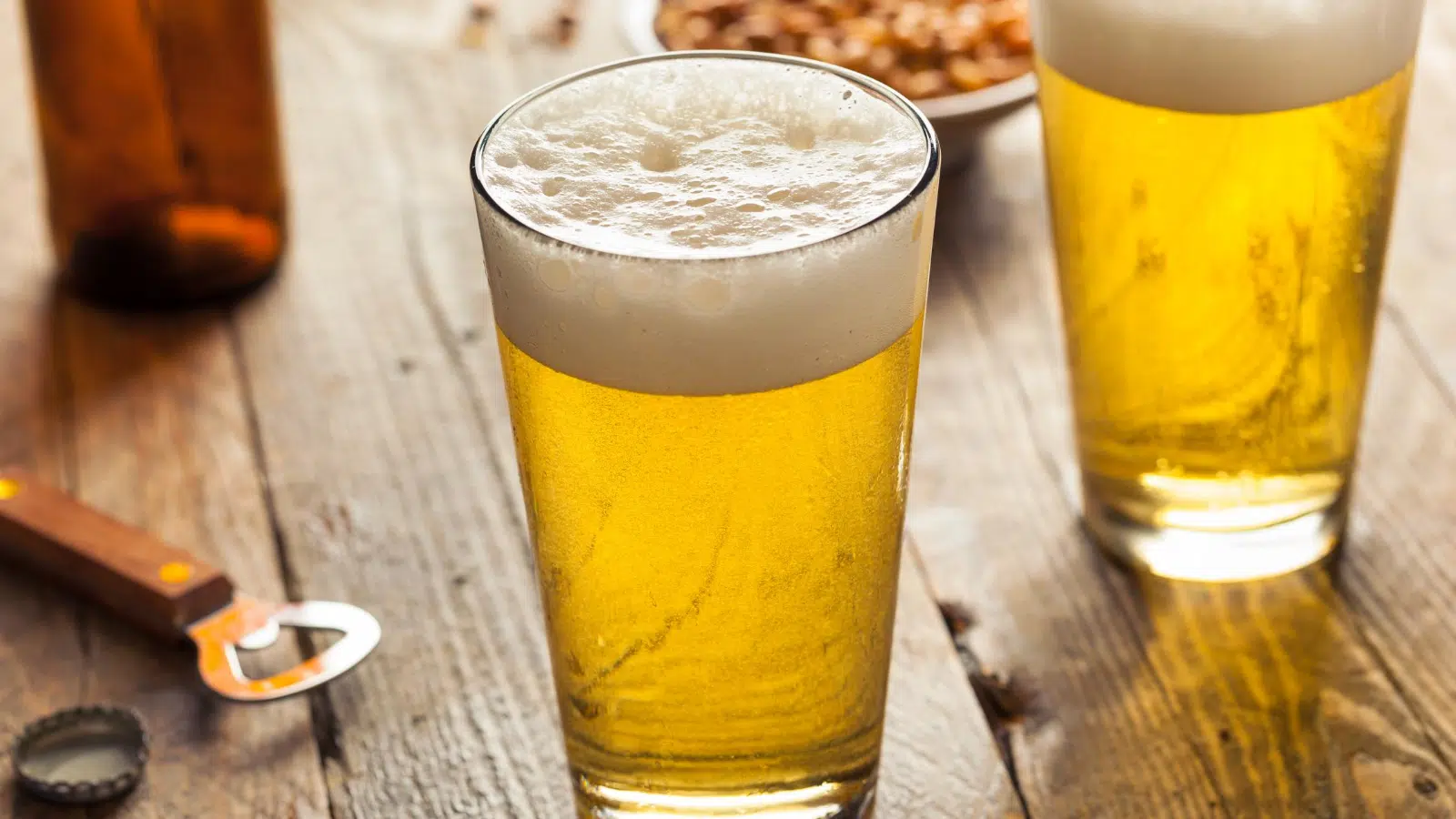
Gilbert beer drinkers determine the rankings below through their votes. Each qualifying lager competes based on the number of votes it receives, which means the list can continue to evolve as more people participate.
Most importantly, these aren’t ten beers selected by AZ Beer Drinkers. The breweries don’t pay for their positions, and I don’t decide which beer belongs at number one.
The votes determine the order.
“A lager can look simple in the glass, but there are a lot of different directions brewers can take the style. The rankings let local beer drinkers show which ones keep earning their votes.”
— Brandon LaVere, Founder of AZ Beer Drinkers
Every lager in the Top 10 earns its position through customer votes on AZ Beer Drinkers. As a result, a beer with more votes moves ahead of beers with fewer votes.
However, the rankings aren’t permanent. As additional people discover a beer and vote for it, its position can change. Therefore, the Top 10 provides an ongoing look at which lagers Gilbert beer drinkers are supporting rather than a list that remains frozen after publication.
That also creates an important distinction between editorial opinion and community voting. I can share what I enjoy about a particular beer, and a brewer can explain what goes into creating it. Meanwhile, the rankings provide another perspective by showing what local customers are actually voting for.
Lager describes a broad family of beers rather than one specific flavor. As a result, the taste can vary considerably depending on the ingredients, recipe and type of lager you’re drinking.
Many lighter lagers emphasize a clean, crisp character with grain, bread or subtle malt flavors. Meanwhile, hops can contribute floral, herbal, spicy or slightly bitter characteristics without necessarily dominating the beer.
Other lagers can move in a completely different direction. Some feature richer malt flavors, deeper colors and more body, while others remain pale, dry and highly refreshing.
Consequently, saying you don’t like one lager doesn’t necessarily mean you won’t enjoy another.
The category offers plenty of room to explore.
Finding a lager in Gilbert isn’t difficult. The more interesting question is which local businesses are receiving the most support specifically for the lagers they serve.
That’s where the AZ Beer Drinkers voting data becomes useful. In addition to ranking individual beers, customer votes can show which Gilbert businesses receive the most support for their lagers.
See which Lager drinks customers are voting for in Gilbert.

See which businesses are getting the most votes for Lager drinks in Gilbert.
Only lager votes determine the results above. Votes for IPAs, stouts, Blonde Ales, wheat beers or other styles don’t determine which businesses appear at the top of the lager rankings.
As a result, you can use the Top 10 to discover individual beers and then use the popular places rankings to find Gilbert businesses serving lagers that customers are supporting.
There isn’t one characteristic that automatically makes a lager good. Instead, what you look for depends on the type of lager and what you personally enjoy drinking.
For a lighter lager, you may prefer a crisp finish, restrained bitterness and clean malt character. On the other hand, a darker or more malt-forward lager can provide richer bread, toast, caramel or similar flavors.
Balance can also play an important role. Because many lagers don’t rely on extreme hop bitterness or heavy additions to create their character, the relationship between malt, hops, fermentation and finish becomes noticeable.
Ultimately, your own taste matters more than following a checklist.
If you enjoy the beer enough to order another one, you’ve probably found a lager worth remembering.
The primary difference between lagers and ales comes from the yeast and fermentation process used to make them.
Lagers use lager yeast and generally ferment under cooler conditions. Ales use ale yeast and typically ferment at warmer temperatures.
Those differences can influence the character of the finished beer. Lagers are commonly associated with a cleaner fermentation profile, while ales can produce a wider range of noticeable yeast-derived flavors and aromas.
However, that doesn’t mean every lager is light or every ale is heavy.
Both families contain an enormous variety of beer styles. Therefore, “lager” and “ale” tell you something about how a beer is made, but they don’t tell you everything about how it tastes.
No. Lagers aren’t limited to pale, light-bodied beers.
Many familiar lagers have a pale golden appearance, which can create the impression that all lagers look and taste similar.
In reality, the lager family includes beers with a wide range of colors, strengths and flavor profiles.
Some lagers are crisp and pale. Others can be amber, copper, brown or nearly black, with malt character ranging from subtle grain to toast, caramel and richer roasted flavors.
Therefore, color alone isn’t enough to identify what kind of drinking experience a lager provides.
Yes. A Pilsner is a type of lager.
“Lager” describes the broader beer family, while Pilsner represents a particular style within that family.
Pilsners commonly have a pale appearance, crisp finish and noticeable hop character. Depending on the specific interpretation, the hops may contribute floral, spicy, herbal or bitter qualities.
However, not every lager is a Pilsner.
That distinction is similar to saying every Pilsner belongs to the lager family, but the lager family contains many additional styles.
For beer drinkers, understanding that difference makes navigating a brewery menu considerably easier.
Many lagers taste less bitter than hop-forward IPAs, although bitterness varies considerably between individual beers.
IPAs commonly emphasize hops, which can produce pronounced bitterness alongside citrus, tropical fruit, pine, resin and other characteristics.
Many lagers take a more balanced approach, allowing malt and fermentation character to share the spotlight with hops.
However, that doesn’t mean lagers lack bitterness. Certain lager styles can have a noticeable hop presence and a crisp bitter finish.
Therefore, beer style gives you a general expectation, while the actual recipe determines what you experience in the glass.
The alcohol content of a lager depends on the particular style and recipe.
Many easy-drinking lagers fall within a moderate ABV range, while stronger lager styles can reach considerably higher alcohol levels.
That’s another reason not to judge a beer’s strength by appearance. A pale lager isn’t automatically weak, and a darker lager isn’t automatically stronger.
Instead, check the ABV listed on the beer menu.
ABV provides a much more useful indication of alcohol content and can be especially helpful when you’re comparing several lagers or ordering a flight.
The clean character commonly associated with lagers comes partly from the yeast and fermentation process.
Lager fermentation generally occurs at cooler temperatures than ale fermentation. Brewers also commonly allow lagers additional conditioning time, helping the beer develop the clean profile associated with many lager styles.
However, “clean” doesn’t mean flavorless.
Malt can contribute grain, bread, toast or sweetness, while hops can provide bitterness and a variety of aromas and flavors.
The cleaner fermentation profile can actually make those individual ingredients easier to notice because fewer fermentation-derived flavors compete for attention.
The Top 10 is ranked according to votes submitted by beer drinkers through AZ Beer Drinkers.
When someone finds a lager they’ve tried, they can cast a vote for that beer. Those votes contribute to the beer’s rankings throughout the website, including relevant beer-style and city rankings.
That means the Top 10 isn’t based on an editorial score. It also isn’t a paid ranking.
Instead, the leaderboard provides a simple answer to an equally simple question: Which Gilbert lagers are receiving the most votes?
Yes. A new lager can enter the Top 10 when it receives enough votes.
Unlike a traditional Top 10 article that selects ten beers on publication day and leaves them there, the AZ Beer Drinkers rankings remain dynamic.
For example, a newly added lager may begin with very few votes. However, as Gilbert customers discover it and vote, that beer can move through the rankings and eventually reach the Top 10.
Likewise, the lager currently sitting at number one doesn’t own that position permanently. Another beer can receive more votes and take its place.
In other words, the community keeps the list moving.
If you’ve actually tried one of the lagers listed on AZ Beer Drinkers, find the beer on its business profile or interactive beer menu and cast your vote.
You don’t need to rate it from one to five stars or write a review. Instead, your vote simply shows your support for a beer you’ve tried and enjoyed.
That vote then contributes to the rankings and helps other Arizona beer drinkers discover lagers they may want to try.
So, explore the Top 10, visit Gilbert breweries and businesses, try something new, and come back to support the lagers that earn your vote.
Drink. Vote. Repeat.

Brandon LaVere — Founder of AZ Beer Drinkers
AZ Beer Drinkers is a beer discovery website built to help people discover local breweries, explore different beer styles and see which beers other Arizona beer drinkers are voting for.
Through AZ Beer Drinkers, Brandon combines local beer discovery, community voting, brewery features and his own perspective as he explores Arizona’s beer scene.
His goal is simple: help people discover more Arizona beer while giving local breweries and businesses another way to get discovered.


You must be of legal drinking age to enter this site.
WARNING: This website is for adults 21+